Waypoint 01Physical Interface
Connector & Inlet Integrity
Confirm whether the unit uses an integrated standard coupler matching your vehicle or relies on external pin adapters that introduce resistance points.
Direct-import EV charging units offer substantial cost savings, but listed claims require careful cross-checking against residential circuits and vehicle compatibility standards. We examine seller specifications so you can make informed choices before purchasing.
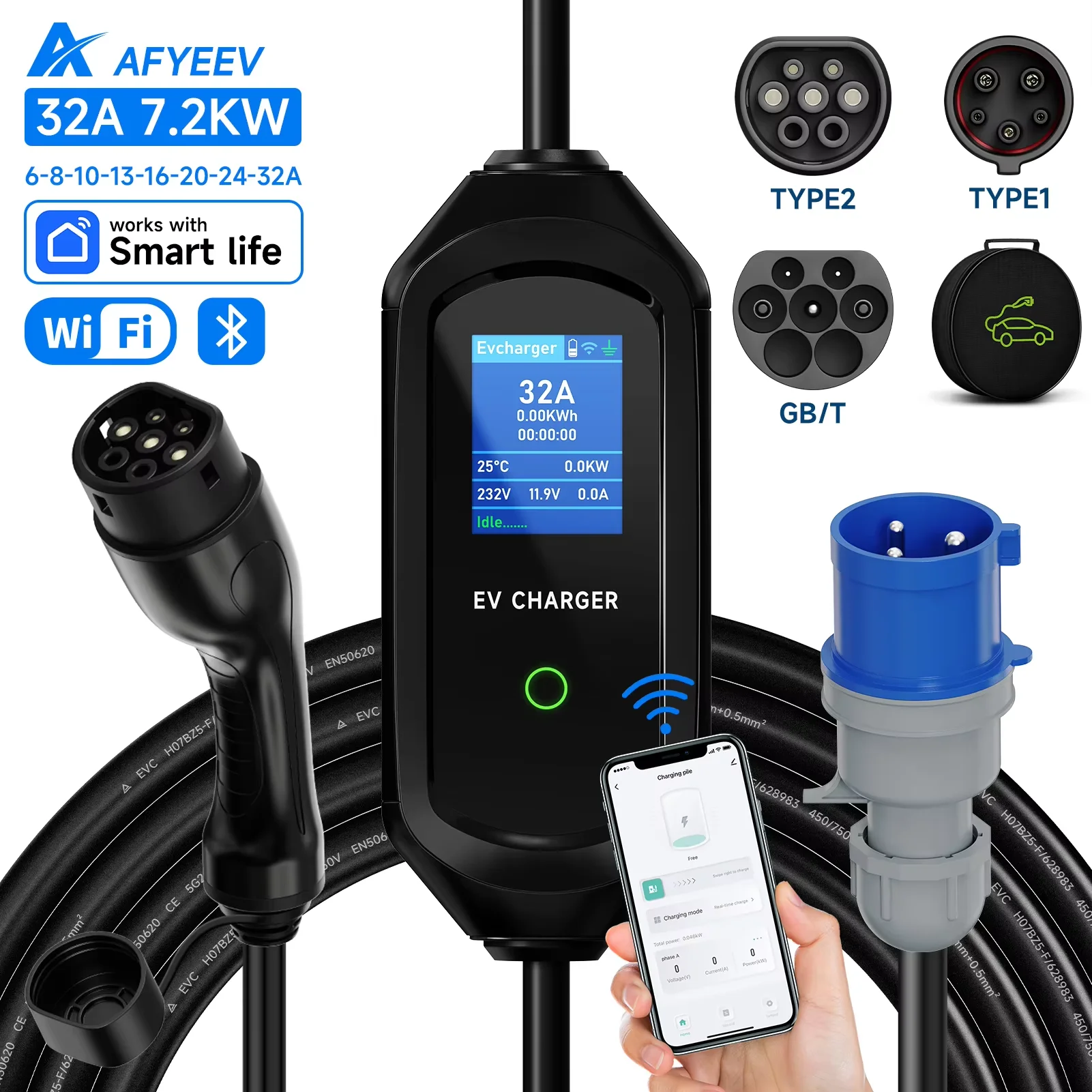
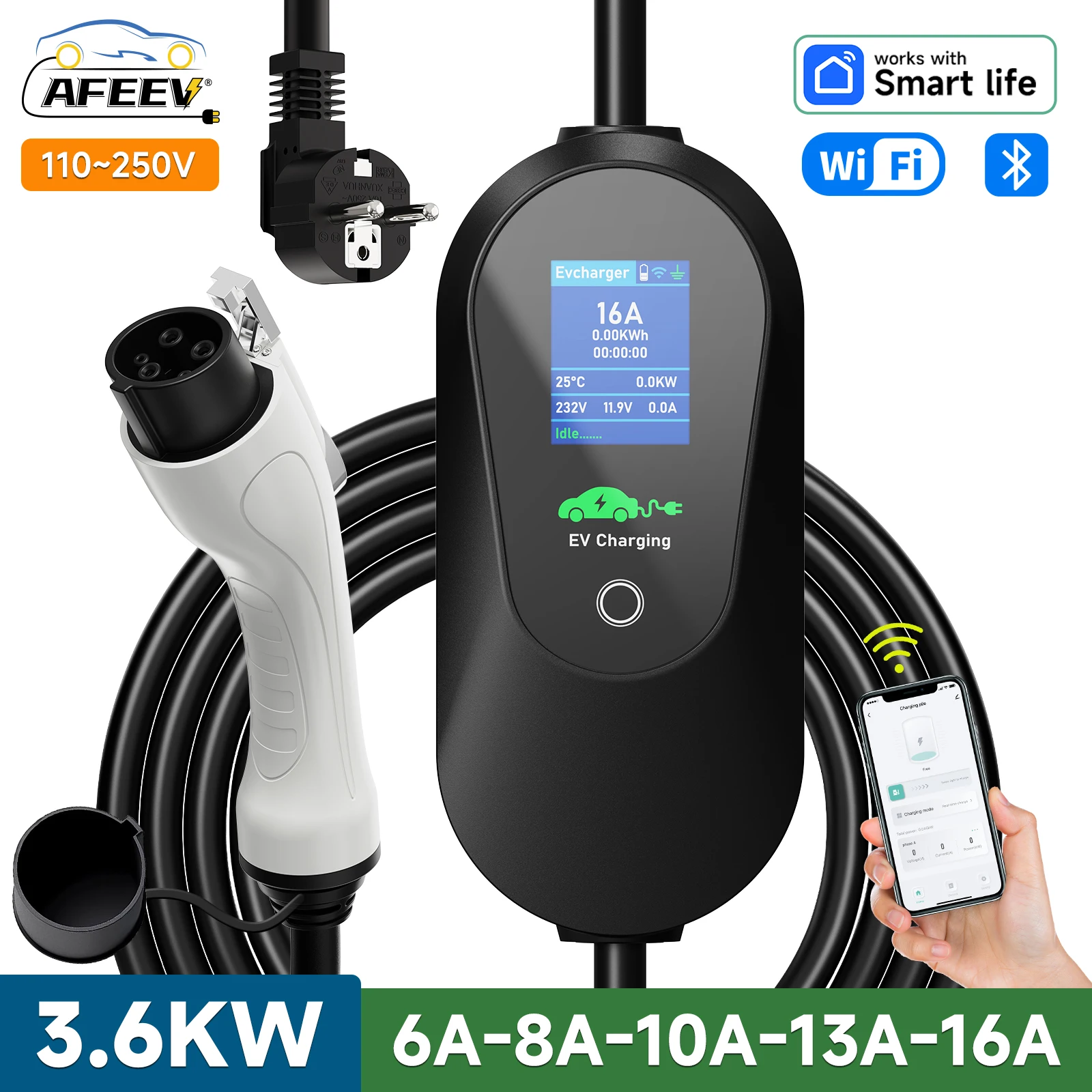
Trace these critical hardware and electrical attributes across listing sheets to identify gaps before committing household power to a budget unit.
Confirm whether the unit uses an integrated standard coupler matching your vehicle or relies on external pin adapters that introduce resistance points.
EV charging qualifies as a continuous load. Match published draw figures against household branch breaker ratings, respecting common eighty-percent safety limits.
Distinguish between self-certified CE declarations and legitimate third-party testing laboratory markings documented in downloadable product sheets.
Review whether the manufacturer lists onboard temperature monitoring at both the wall plug head and control unit to prevent thermal runaway.
Renters and occasional travelers needing dual-voltage flexibility across standard wall receptacles without rewiring.
Homeowners with an existing high-current utility circuit seeking a permanent or semi-permanent wall-mounted solution.
Compare portable EV chargers from 3.5kW to 11kW to find the right connector, phase compatibility, and charging speed for your vehicle and home wiring.
Evaluate 32A Level 2 home EV chargers and cable management hardware with practical questions to verify on direct-import marketplace listings.
This site contains affiliate links. We may earn a commission at no extra cost to you.